

Currency:

USD
HKD
GBP
EUR
CAD
AUD
CHF
INR
USD
sign in · join Free · My account
Home | Sale | Customer Service | Info Tech | Delivery and Payment | Buyer Protection | Policy Information | PC Niche
Your Position: Home > Book > eBooks > The Sword That Cuts the Shadow

View History

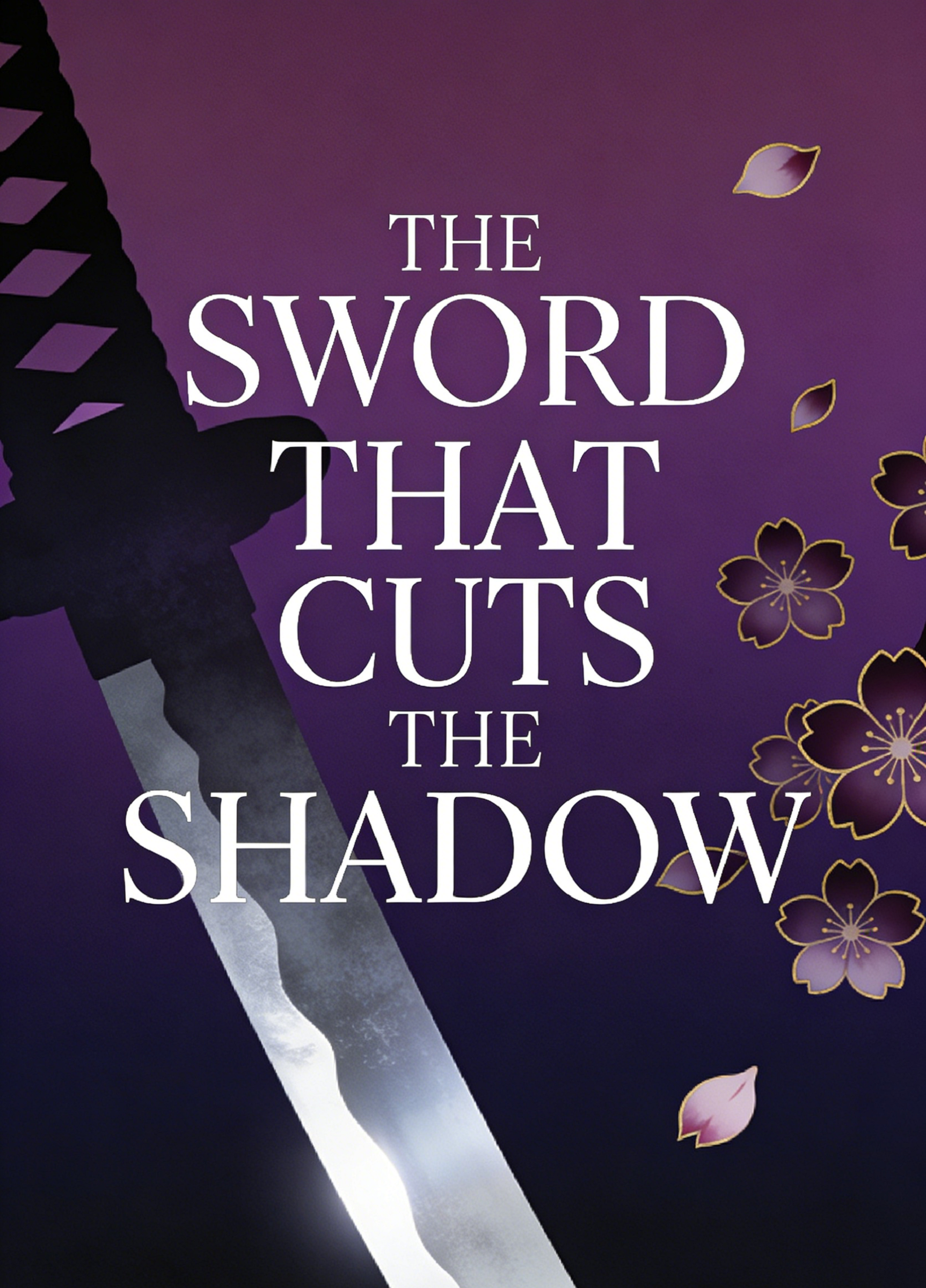
The Sword That Cuts the Shadow
prev zoom next
The Sword That Cuts the Shadow
  • Buyer protection: Returns accpeted. Paypal accepeted.
  • Item location: Oxford, United Kingdom
  • Posts to: Worldwide
  • Brand:Nokia
  • Weight:0gram
  • Recently sold:21
  • Market price:$2.99
    Sale price:$1.29
  • User reviews: comment rank 5
  • Total:
  • Quantity:

Goods Brief:

Attribute

The Sword That Cuts the Shadow A Novel of Vengeance and Undying Loyalty BOOK ONE: THE FALL OF THE HOUSE OF TOYOTOMI Chapter I: The Winter of Osaka The snow fell upon Osaka Castle like ash from a funeral pyre, blanketing the ancient stones in white that would soon turn crimson with the blood of the betrayed. It was the winter of 1615, and the world as Kojima Yoshitaka had known it was ending. He stood upon the eastern tower, his weathered hands gripping the wooden railing with the same ferocity with which he had once gripped his sword in service of his lord. Below him, the castle that had been the seat of power for the Toyotomi clan—the clan that had unified Japan after centuries of chaos—was surrounded by the armies of Tokugawa Ieyasu. Two hundred thousand soldiers encircled the fortress like wolves closing in on a wounded stag. Yoshitaka was forty-three years old, an age when most samurai had already retired to teach swordsmanship or tend to small gardens. But he had no garden. He had only his duty, his honor, and the memory of a lord who had shown him kindness when the world had shown him none. “Kojima-san.” He did not turn at the voice. He knew who it was. Hattori Hanzo, the young captain of the castle guard, whose father had served alongside Yoshitaka in the campaigns of old. “The council has convened,” Hanzo said, his voice tight with the suppressed fear of youth. “Lord Hideyori requests your presence.” Yoshitaka finally turned. His face was a map of scars—one running from his left eyebrow to his jaw, another bisecting his lower lip. These were not the marks of vanity but the badges of a warrior who had survived thirty-seven battles. His eyes, dark and depthless as wells, held no fear. Only a terrible, burning resolve. “Tell Lord Hideyori I am honored,” Yoshitaka said, his voice gravelly from years of shouting commands over battlefield chaos. “But I will not attend.” Hanzo’s eyes widened. “But—” “The council will discuss terms of surrender. They will speak of honorable deaths and last stands. But they will not speak of what must be done.” Yoshitaka stepped closer to the young man, and Hanzo involuntarily stepped back. There was something in Yoshitaka’s presence that made even seasoned warriors uneasy—a stillness that spoke of a man who had already accepted death and found it wanting. “Tell me, Hanzo. Do you know why Tokugawa Ieyasu has broken the peace?” Hanzo swallowed. “He… he claims Lord Hideyori is plotting rebellion.” “Lies.” The word fell like a blade. “Ieyasu swore an oath to Lord Hideyoshi—the Taiko, the great unifier. He swore to protect the Toyotomi line. And now that the Taiko is dead, now that his son Hideyori is but twenty-two years old, Ieyasu sees his opportunity. He will not rest until every drop of Toyotomi blood has been spilled.” Yoshitaka turned back to the snow-covered landscape, to the sea of enemy banners fluttering in the winter wind. “This is not war, Hanzo. This is patricide. This is the murder of a father’s memory and a son’s future. And I will not stand by and watch it happen.” “What will you do?” Yoshitaka was silent for a long moment. When he spoke, his voice was barely audible above the wind. “What a samurai must do. What I should have done years ago, when Ieyasu first showed his true face.” He descended from the tower without another word, his footsteps echoing through the corridors of a castle that had once known only glory and now knew only doom. Chapter II: The Garden of Memories In the private chambers of the western wing, Yoshitaka knelt before a small shrine. Upon it sat a portrait of Toyotomi Hideyoshi, the Taiko—the Imperial Regent who had risen from sandal-bearer to ruler of all Japan. The painting showed him in his prime, before illness had wasted his body, his eyes twinkling with the cunning and charisma that had made him legend. Yoshitaka touched his forehead to the floor in the deepest bow, holding the position for a count of one hundred. “My lord,” he whispered, “I have failed you.” The words tasted like poison. He remembered the day Hideyoshi had taken him into service. Yoshitaka had been a ronin then, a masterless samurai wandering the roads of Owari province, his stomach empty and his spirit broken. He had challenged a group of bandits preying upon a merchant caravan, not out of heroism but because he had nothing left to lose. Hideyoshi had been traveling in disguise, observing the roads of his new domain. He had watched Yoshitaka fight—watched him take three wounds and still not fall, watched him kill two bandits and drive the rest away despite being outnumbered five to one. Afterward, Hideyoshi had approached him. Yoshitaka would never forget those words, spoken with that peculiar Osaka accent that had made the Taiko sound more merchant than warrior-king: “You fight like a man who has already died. I could use such a man. Will you serve me?” That was twenty years ago. Twenty years of campaigns, of sieges, of councils and celebrations. Yoshitaka had been present at the fall of the Hojo clan, at the subjugation of Kyushu, at the great invasions of Korea. He had watched Hideyoshi weep when his infant son Tsurumatsu died, had watched him grow old and bitter as the dream of conquest slipped through his fingers. And he had been there, in the summer of 1598, when Hideyoshi lay dying in Fushimi Castle, his body ravaged by disease, his mind still sharp enough to understand that all his achievements would crumble without him. “Yoshitaka,” the Taiko had whispered, his hand like a bird’s claw gripping Yoshitaka’s wrist. “Swear to me. Swear you will protect my son. Swear you will ensure the Toyotomi line continues.” “I swear,” Yoshitaka had said, tears streaming down his face—tears he had not shed since childhood. “By my sword and my soul, I swear.” Hideyoshi had died that night. And within months, Tokugawa Ieyasu—the man who had sworn the most sacred oaths of loyalty—began his campaign to destroy everything Hideyoshi had built. First came the Battle of Sekigahara in 1600, where Ieyasu destroyed the coalition of daimyo loyal to the Toyotomi cause. Yoshitaka had fought in that battle, had watched friends and comrades fall, had seen the future of Japan change in a single day of slaughter. Then came the sieges of Osaka—the winter campaign of 1614 and now, the summer campaign of 1615. Each time, Ieyasu had promised peace if the castle surrendered. Each time, his promises had proven as hollow as a rotted tree. And now, the end was upon them. Yoshitaka rose from his bow and drew his sword. It was an old blade, forged in the Bizen tradition, its hamon—temper line—like a river of silver in moonlight. He had named it Kagekiri—Shadow Cutter. Tonight, it would taste blood again. But not yet. Not tonight. He sheathed the blade and walked to the window. In the distance, he could see the campfires of the Tokugawa army, thousands of them stretching to the horizon like stars fallen to earth. “Ieyasu,” he whispered, and the name was a curse. “You think you have won. You think the Toyotomi name will be erased from history. But you do not know the meaning of loyalty. You do not understand that some debts can only be paid in blood.” He would kill Tokugawa Ieyasu. He would avenge his lord. And if he failed, he would fail as a samurai should—having given everything, having held nothing back. This was not vengeance. This was giri—the duty that transcended life itself. Chapter III: The Fall The end came swifter than anyone expected. On June 4, 1615, the Tokugawa forces launched their final assault. Yoshitaka fought in the vanguard, cutting down seventeen men before a spear thrust forced him back. He watched as the outer defenses crumbled, as the desperate courage of the Toyotomi defenders was overwhelmed by sheer numbers. By midday, the castle was burning. Yoshitaka fought his way to the main keep, where Lord Hideyori and his mother, Lady Yodo, had retreated. The young lord—Hideyoshi’s only surviving son—stood in the center of the chamber, dressed in white funeral robes. He was twenty-two years old, with his father’s sharp features and his mother’s delicate beauty. He had never known a day without war, without siege, without the shadow of Tokugawa ambition hanging over him. “Kojima-san,” Hideyori said, his voice steady despite the chaos outside. “I am told the eastern gate has fallen.” “It has, my lord.” Yoshitaka knelt, pressing his forehead to the floor. “But I can still get you out. There is a secret passage—” “No.” Hideyori’s voice was gentle but firm. “My father built this castle. I will not abandon it.” “My lord—” “Yoshitaka.” The young man knelt beside him, placing a hand on his shoulder. “Look at me.” Yoshitaka raised his head. Hideyori’s eyes were dry, resigned. He had accepted his fate. “My father told me about you,” Hideyori said. “He said you were the most loyal man he ever knew. He said you would die for me without hesitation. Was he right?” “He was right, my lord.” “Then I give you a final command.” Hideyori’s grip tightened. “Live. Survive this day. And remember us.” “My lord—” “That is my command, Kojima Yoshitaka.” Hideyori stood, adjusting his robes. “I go now to join my father. My mother will accompany me. But you… you must live. Someone must remember that the Toyotomi existed. Someone must carry our story to future generations.” He turned and walked toward the inner chamber, where Lady Yodo waited with the ceremonial daggers. “My lord!” Yoshitaka called out, his voice breaking. “Please! Let me die with you!” Hideyori paused at the doorway. Without turning, he said, “A samurai does not waste his death, Yoshitaka-san. Find your own path. Find your own… vengeance.” Then he was gone. Yoshitaka knelt there, paralyzed, as the sounds of battle drew closer. He could hear the enemy in the corridors, the clash of steel, the screams of the dying. Smoke began to seep under the doors. He should die here. He should follow his lord into death. That was the way of the samurai—the way of junshi, following one’s master into the next world. But Hideyori had commanded him to live. And there was another duty, one that burned hotter than the desire for an honorable death. Tokugawa Ieyasu still lived. The architect of this destruction still drew breath. And as long as he lived, the insult to the Toyotomi name remained unavenged. Yoshitaka rose. He would not die today. He would become a ghost, a shadow, a blade in the darkness. And when the time was right, he would strike. He found the secret passage behind a sliding panel—a narrow stairway descending into the foundations of the castle. As he entered it, he heard the main doors burst open, heard the triumphant shouts of the Tokugawa soldiers. He did not look back. The passage led to a drainage channel that emerged in the forest beyond the castle walls. Yoshitaka crawled through filth and darkness, emerging into the light of a world that had changed forever. Behind him, Osaka Castle burned. The last stronghold of the Toyotomi clan was falling. And somewhere in the chaos, Lord Hideyori and his mother were preparing to end their lives rather than be captured. Yoshitaka stood in the shadows of the trees and watched the castle that had been his home for twenty years turn to ash. He felt nothing. The grief would come later. Now, there was only the cold, clear purpose that filled the void where his heart had been. “I swear,” he whispered to the burning castle, to the spirits of his lord and his lord’s father. “I swear by all the gods and by my own soul—I will kill Tokugawa Ieyasu. I will make him pay for this day. And if I must walk through hell itself to reach him, then so be it.” He turned and walked into the forest, a ronin once more. But this time, he was not wandering in search of a master. He was hunting. And the hunt would not end until one of them was dead. BOOK TWO: THE FIRST SHADOW Chapter IV: The New Shogun Three months had passed since the fall of Osaka. Tokugawa Ieyasu had returned to his castle at Edo—now renamed Tokyo, the “Eastern Capital”—and proclaimed himself Shogun, the military ruler of all Japan. The last resistance to his power had been crushed. The age of war was over. The age of the Tokugawa had begun. In a small sake house in the pleasure district of Kyoto, Kojima Yoshitaka sat in the darkest corner, a cup of cheap wine untouched before him. He had changed his appearance as much as possible—his topknot was cut, his beard grown, his face smeared with ash to darken his skin. He wore the clothes of a merchant, not a warrior. But he could not change his eyes. They were the eyes of a man who had seen too much death, who had buried too many friends. He listened to the conversations around him, gathering intelligence. The fall of Osaka was already becoming legend, the stories growing more elaborate with each retelling. Some said Lord Hideyori had fought to the last, killing fifty men before falling. Others claimed he had escaped, that he was hiding in the mountains, waiting to raise a new army. Yoshitaka knew the truth. He had returned to Osaka three days after the battle, had bribed a crematorium worker to show him the bodies. Hideyori and Lady Yodo had died by their own hands, as they had planned. Their ashes had been scattered to prevent desecration, but Yoshitaka had collected a small handful, which he now carried in a lacquered box hung around his neck. His lord’s ashes. His lord’s memory. His reason for living. “You look like a man with troubles.” Yoshitaka looked up. A woman stood before him—middle-aged, with the weathered beauty of someone who had known hard times. She wore the simple kimono of a tavern keeper, but her eyes were sharp, assessing. “Many men have troubles,” Yoshitaka said. “True.” She sat across from him without invitation. “But most men drink to forget them. You haven’t touched your cup.” Yoshitaka looked at the sake. “I do not drink to forget. I drink to remember.” “A dangerous habit.” “I am a dangerous man.” The woman smiled, but there was no humor in it. “I know who you are, Kojima Yoshitaka.” His hand moved to his sword—a short blade hidden beneath his merchant’s robes. “You are mistaken. My name is—” “Your name is known to me. As is your face, despite your disguise.” She reached into her sleeve and produced a small object—a kamon, a family crest, embroidered on silk. The crest of the Toyotomi. “I served Lady Yodo for fifteen years. I was her lady-in-waiting. I was… I was supposed to die with her. But she commanded me to live. To remember.” Yoshitaka stared at the crest, then at the woman. “What is your name?” “Otsuya. And I have been looking for you, Yoshitaka-san. Looking for the man my lady said would come. The man who would not rest until justice was done.” “Justice.” Yoshitaka laughed, a harsh sound. “There is no justice in this world, Otsuya. Only power. And Tokugawa Ieyasu has all of it.” “For now.” Otsuya leaned closer. “But power can be taken. By a blade in the dark. By a patient man who is willing to sacrifice everything.” “You speak of assassination.” “I speak of katakiuchi—vengeance. The most sacred duty of a samurai.” Otsuya’s eyes burned with the same fire that consumed Yoshitaka’s soul. “Ieyasu travels to Kyoto next month. He will visit the Imperial Palace to receive the Emperor’s blessing. His route is known. His guard will be heavy, but not impenetrable.” “Why are you telling me this?” “Because I cannot wield a sword. Because I am an old woman with nothing left but memories. But you…” She reached across the table and touched his hand. “You are the last of the true samurai. The last man who understands what loyalty means. Will you let Ieyasu live out his days in peace? Will you let him die of old age, surrounded by grandchildren, while the ashes of our lords scatter in the wind?” Yoshitaka was silent for a long moment. Then he said, “Where will he be most vulnerable?” Otsuya smiled—a terrible, vengeful smile. “On the road between Fushimi and the palace. There is a place where the road narrows, where the forest comes close. He will have guards, yes. But you are Kojima Yoshitaka. You have killed men in the dark before.” “I have.” Yoshitaka finally picked up his cup of sake and drank it in one swallow. The liquid burned his throat, but it was nothing compared to the fire in his heart. “Tell me everything.” Chapter V: The Blade in the Dark The night of the new moon. Yoshitaka lay in the branches of an ancient cedar, his body wrapped in dark cloth, his face blackened with charcoal. Below him, the road to Kyoto stretched like a pale ribbon in the starlight. He had been waiting for six hours, not moving, barely breathing. The discipline of the hunt was familiar to him. He had done this before, in Korea, in the mountains of the north, tracking enemy scouts and silencing them before they could report his army’s position. But this was different. This was not war. This was katakiuchi—the sacred duty of vengeance. He touched the lacquered box that hung beneath his clothes, feeling the outline of the ashes within. Soon, my lord, he thought. Soon your death will be avenged. Ieyasu will join you in the next world, and you can demand answers from him yourself. The sound of hooves reached him first. Then the glow of torches. The procession was coming. Yoshitaka counted them as they passed beneath his tree. First, the advance guard—twenty mounted samurai, their armor gleaming in the torchlight. Then the supply wagons, the servants, the lesser officials. And finally, in the center of the formation, the palanquin. It was a magnificent thing, lacquered in gold and black, the Tokugawa crest—a triple hollyhock—emblazoned on every surface. Eight bearers carried it, their steps synchronized, their breathing controlled. Inside, Yoshitaka knew, sat the most powerful man in Japan. Tokugawa Ieyasu. Seventy-three years old. The man who had betrayed his oaths, destroyed his sworn brother’s legacy, and murdered that brother’s son. Yoshitaka’s hand tightened on his sword. Kagekiri waited, hungry. He had planned this carefully. The road narrowed here, passing between the cedar and a stone outcropping. The guards would be forced to bunch up, their formation disrupted. And in that moment of confusion, Yoshitaka would strike. He had no illusions about survival. Even if he succeeded, the guards would cut him down within seconds. But that did not matter. All that mattered was the kill. All that mattered was fulfilling his oath. The palanquin drew closer. Yoshitaka could hear voices now—Ieyasu’s retainers talking about the weather, about the upcoming audience with the Emperor, about the new policies the Shogun intended to implement. They were relaxed. Confident. They believed the war was over, that the last of the Toyotomi loyalists had died at Osaka. They were wrong. The palanquin passed beneath his tree. Yoshitaka tensed, gathering himself for the leap. And then he saw it. A glint of metal in the torchlight. A flash of movement in the trees on the opposite side of the road. Someone else was here, someone else was watching the procession. A trap. Yoshitaka froze. His instincts, honed by decades of warfare, screamed at him to wait. And in that moment of hesitation, the trap was sprung. Ten men emerged from the forest on the far side of the road—not samurai, but ninja, the shadow warriors of Iga and Koga. They wore black from head to toe, their faces covered, their weapons poisoned. And they were not attacking the procession. They were… protecting it? No. They were waiting. They knew someone would try to kill Ieyasu tonight. They had been expecting it. Yoshitaka understood then. Otsuya had been wrong. Or worse—Otsuya had betrayed him. The information about Ieyasu’s route had been bait, designed to draw out the last of the Toyotomi loyalists. He should flee. He should climb down from this tree and disappear into the forest, live to fight another day. But his lord’s ashes hung heavy against his chest. And the palanquin was right there, so close he could smell the incense burning within. Yoshitaka made his choice. He leaped. The descent seemed to take forever, time stretching like taffy. He saw the ninja on the far side of the road turn, their eyes widening behind their masks. He saw the samurai guards begin to react, their hands moving to their swords. He saw the curtains of the palanquin flutter, saw a glimpse of an old man’s face within—pale, composed, unsurprised. Then he hit the roof of the palanquin, his sword drawn, and drove Kagekiri downward with all his strength. The blade punched through the lacquered wood, through the cushions within, and bit into something soft. Yoshitaka felt the shock of impact travel up his arm, felt the resistance of flesh and bone. He had done it. He had killed Tokugawa Ieyasu. But even as the thought formed, he knew something was wrong. The resistance had been wrong—too soft, too yielding. And there had been no cry of pain, no spasm of death. He ripped his sword free and tore open the curtains of the palanquin. Inside, wrapped in the Shogun’s robes, was a straw dummy. Its “face” was a painted mask, its “body” stuffed with cotton and sand. A decoy. “The real Shogun traveled by river,” a voice said behind him. “He is already in Kyoto, enjoying the company of the Emperor. You, on the other hand, are about to die.” Yoshitaka turned. The ninja had surrounded him, their poisoned blades gleaming. Beyond them, the samurai guards held their swords ready, waiting for the command to attack. The speaker was a tall man, dressed not in black but in the deep blue of a Tokugawa officer. He was young—no more than thirty—with the hard eyes of a man who had spent his life in the shadows. “I am Yagyu Munenori,” the man said, “chief of the Shogun’s intelligence service. And I have been waiting for you, Kojima Yoshitaka.” “Then your wait is over,” Yoshitaka said. He raised his sword. “Come. Let us see if you can take me alive.” The battle was brief and brutal. Yoshitaka killed four ninja in the first minute, his blade moving faster than the eye could follow. But there were too many of them, and they were skilled. A blade cut his left arm. Another opened a gash in his thigh. He felt poison burning in his veins, slowing his movements, clouding his mind. He fought his way to the edge of the road, toward the forest. If he could reach the trees, he might escape. He might survive to try again. Yagyu Munenori watched the battle with cold, analytical eyes. He did not draw his own sword. He did not need to. “He is weakening,” Munenori said to his men. “Take him. But do not kill him. The Shogun wants to question him.” A net fell from the trees above, heavy and weighted with lead. Yoshitaka tried to cut himself free, but his arms were heavy, his vision blurring. The poison was taking hold. He fell to his knees, still struggling, still trying to reach the forest that was so close. “A valiant effort,” Munenori said, walking over to stand above him. “Truly, the Toyotomi inspired a loyalty that Ieyasu-sama will never understand. But loyalty is not enough, Yoshitaka. Strategy is what wins wars. And your strategy was flawed from the beginning.” Yoshitaka looked up at him, his vision reduced to a tunnel. “This… is not… over.” “No,” Munenori agreed. “It is not. You will be interrogated. You will tell us everything you know about the remaining Toyotomi loyalists. And then, perhaps, you will be allowed to die with honor.” He gestured, and something heavy struck Yoshitaka’s head. The world went dark. The last thing he saw, before unconsciousness claimed him, was the straw dummy in the palanquin, its painted face grinning in mockery of his failure. Chapter VI: The Prisoner Yoshitaka woke in darkness. He was hanging by his wrists, chains cutting into his flesh. His wounds had been bandaged—sloppily, as if his captors didn’t care if he lived or died. The poison was still in his system, making his muscles twitch and his stomach churn. He did not know how long he had been unconscious. Hours? Days? Time had no meaning in the dark. “Awake at last.” A lantern flared, and Yoshitaka squeezed his eyes shut against the pain of sudden light. When he opened them again, he saw that he was in a stone cell, perhaps underground. Water dripped somewhere in the darkness. And before him stood Yagyu Munenori, still dressed in blue, still wearing that expression of cold amusement. “You are a difficult man to kill, Yoshitaka-san,” Munenori said. “The poison should have paralyzed you. The head wound should have killed you. Yet here you are, conscious and alert. The Taiko chose his bodyguards well.” “I am not… his bodyguard.” Yoshitaka’s voice was a rasp, his throat dry as sand. “I am his servant. His… avenger.” “Yes. The famous katakiuchi.” Munenori circled him like a wolf examining a trapped deer. “You know, in the old days, a samurai could petition the authorities for the right to pursue vengeance. There were rules, procedures. It was all very civilized. But those days are gone. Now, attempting to kill the Shogun is simply treason. And treason is punished by death.” “Then kill me.” “Oh, I intend to. Eventually.” Munenori stopped before him, close enough that Yoshitaka could smell the sandalwood incense on his clothes. “But first, you will tell me about the others. The woman who gave you the information about Ieyasu-sama’s route. The other Toyotomi loyalists hiding in Kyoto, in Osaka, in the provinces. You will give me their names, their locations, their plans.” “I know nothing.” “You know the woman. Otsuya, formerly of Lady Yodo’s household. She has already been arrested, by the way. She is being… questioned… even as we speak.” Munenori’s smile did not reach his eyes. “She will tell us everything, given enough time. But I would prefer to hear it from you. It would be… cleaner.” Yoshitaka closed his eyes. Otsuya. He had doomed her with his failure. Another debt to add to the pile. “I will tell you nothing,” he said. “Everyone talks eventually, Yoshitaka-san. Everyone has a breaking point.” Munenori gestured, and two men emerged from the shadows. They carried tools—pliers, knives, a brazier of hot coals. “We will find yours.” The torture lasted for three days. They broke his fingers, one by one. They burned his flesh. They drove needles under his nails. They did everything that centuries of warfare had taught them to do to break a man’s spirit. Yoshitaka told them nothing. He retreated into himself, into a place where pain could not reach. He thought of Hideyoshi, of the Taiko’s laughter and his rages. He thought of Hideyori, of the young lord’s courage in the face of certain death. He thought of the twenty years he had served the Toyotomi, of the battles and the banquets, the victories and the defeats. And he held on. On the fourth day, Munenori came to him again. The intelligence chief looked tired, frustrated. The perfect mask of his composure had cracked, revealing the anger beneath. “You are a fool, Yoshitaka,” he said. “Your loyalty is wasted on dead men. The Toyotomi are gone. Their line is extinguished. Their name will be forgotten within a generation. And you will die in this cell, screaming, for nothing.” “Not… for nothing.” Yoshitaka’s voice was barely a whisper. His face was swollen, his lips cracked, but his eyes still burned with that terrible fire. “For honor. For giri. For the promise I made.” “A promise to a dead man.” “A promise to my lord.” Yoshitaka managed to raise his head, to meet Munenori’s eyes. “You would not understand. You serve power. I serve… something greater.” Munenori stared at him for a long moment. Then, unexpectedly, he laughed. “Perhaps you are right, Yoshitaka-san. Perhaps I do not understand.” He turned to his men. “Release him.” The torturers looked at each other in confusion. “My lord?” “I said release him. Drop the chains, give him water and food. And then… throw him out.” “My lord, he tried to kill the Shogun—” “And he failed.” Munenori looked back at Yoshitaka, and there was something new in his expression—not respect, exactly, but something close to it. “He failed because he is a soldier, not an assassin. He attacked openly, with honor, rather than using poison or deception. Such men are rare. Too rare to kill in a dungeon.” He leaned close to Yoshitaka, speaking softly so only the prisoner could hear. “You are free, Yoshitaka. Free to try again. And you will try again, won’t you?” Yoshitaka said nothing. “I thought so.” Munenori straightened. “Next time, I will not be so merciful. Next time, I will kill you myself. But for now… consider this a gift. A chance to reflect on your failure. A chance to plan better.” He turned and walked toward the door. “Why?” Yoshitaka croaked. Munenori paused. “Because a wolf that cannot hunt is no wolf at all. And I would rather face a worthy enemy than execute a broken man.” He looked back one final time. “Become worthy, Yoshitaka. Become the weapon your lords need you to be. And then… come find me.” The door closed. The chains were released. Yoshitaka collapsed to the stone floor, his broken body screaming in protest. But in his mind, in the core of his being where pain could not reach, a new plan was already forming. He would not fail again. He would become what Munenori wanted—a worthy enemy. A blade so sharp that nothing could stop it. He would kill Tokugawa Ieyasu. Or he would die in the attempt. There was no third option. BOOK THREE: THE SECOND SHADOW Chapter VII: The Mountain Hermit The village of Kiso was a place that time had forgotten. Nestled in the mountains between Kai and Shinano provinces, it consisted of twenty houses, a single shrine, and a population that had never seen a samurai’s crest. The people here were woodcutters and charcoal burners, living simple lives far from the politics of Edo and Kyoto. It was the perfect place to disappear. Yoshitaka had walked for three weeks to reach this valley, following mountain paths that even bandits avoided. His body was healing, slowly—the broken fingers would never grip a sword properly again, but he had learned to compensate. The burns had scabbed over. The poison had worked its way out of his system. But he was not the same man who had attacked Ieyasu’s procession. That man had been a soldier, direct and honorable. That man had failed. The new Yoshitaka would be different. In the center of the village stood a small hut, little more than a shed. This was the home of Takeda Sokaku, a man who had once been something more than a hermit. Decades ago, before the rise of Oda Nobunaga and Toyotomi Hideyoshi, the Takeda clan had ruled these mountains. Their cavalry was legendary, their tactics studied by every daimyo in Japan. And Sokaku had been their greatest strategist. Yoshitaka found the old man sitting outside his hut, mending a fishing net. He looked up as Yoshitaka approached, his eyes milky with cataracts but still sharp with intelligence. “You are the one they are looking for,” Sokaku said. Not a question. A statement. “You know who I am?” “I know what you are. A ghost. A man who should be dead but refuses to lie down.” Sokaku set aside his net. “The Tokugawa have offered a reward for your head. Five hundred ryo. Enough to buy a small castle.” “Are you going to collect it?” Sokaku laughed, a sound like dry leaves scraping stone. “I am ninety-four years old, boy. What would I do with a castle?” He gestured to the ground beside him. “Sit. Tell me why you have come to die in my mountains.” Yoshitaka sat. He told the old man everything—the fall of Osaka, his oath, his failed assassination attempt, his capture and torture. He held nothing back. There was no point in secrets with a man who could see into his soul. When he finished, Sokaku was silent for a long time. Then he said, “You are a fool.” “So I have been told.” “No, not because of your loyalty. Loyalty is the only virtue that matters. You are a fool because you tried to fight a shadow with a sword.” Sokaku tapped his temple. “Ieyasu is not a man. He is an idea. The idea of peace through absolute control. You cannot kill an idea with steel.” “Then how?” “You become a greater idea.” Sokaku leaned forward, his cataract-clouded eyes seeming to stare through Yoshitaka. “You want to kill Ieyasu. But that is not enough. You must destroy what he represents. You must show the world that his peace is a lie, that his control is fragile, that a single man with nothing left to lose can bring him to his knees.” “How?” “First, you must become invisible. Not just in body, but in mind. You must erase everything that makes you Kojima Yoshitaka—your pride, your honor, your face itself.” Sokaku reached out and touched the scar on Yoshitaka’s cheek. “You have worn these marks like badges. That ends now.” “You want me to… disfigure myself?” “I want you to become a weapon. And weapons have no faces.” Sokaku stood, moving with surprising energy for his age. “Come. I will teach you what the Takeda knew. The art of the shadow. The way of the ninja.” “I am not a ninja. I am a samurai.” “You are a dead man walking. And dead men have no titles.” Sokaku looked back at him. “You want vengeance, Yoshitaka? Then swallow your pride. Become what you must become. Or go down to the village and wait for the Tokugawa hunters to find you. The choice is yours.” Yoshitaka sat there for a long time, watching the sun set behind the mountains. He thought of his father, who had taught him that a samurai’s honor was his most precious possession. He thought of Hideyoshi, who had valued loyalty above all else. He thought of the oath he had sworn, the ashes that hung around his neck. Honor was a luxury for men who had not lost everything. He stood and followed Sokaku into the hut. Chapter VIII: The Forging The training began the next day. Sokaku was a brutal teacher, accepting no excuses, showing no mercy. He taught Yoshitaka to move without sound, to breathe without rhythm, to become one with the shadows. He taught him the use of poison, of garrotes, of weapons that no honorable samurai would touch. He taught him to kill with his bare hands, with a single needle, with a piece of string. “The sword is the least of weapons,” Sokaku said one day, as Yoshitaka practiced throwing shuriken at a target. “It announces your presence. It demands attention. A true assassin needs no announcement.” “I am not an assassin,” Yoshitaka said, but the protest was automatic now, lacking conviction. “You are whatever you need to be to fulfill your oath.” Sokaku watched him throw, correcting his grip, his stance. “Tell me, Yoshitaka. Why do you persist in this? You know that even if you succeed, you will die. You know that the Tokugawa will hunt down anyone who helped you, anyone who sheltered you. Your vengeance will cost dozens of lives.” “It is my duty.” “Duty.” Sokaku spat the word. “Duty is what men say when they don’t want to examine their true motives. Why do you really want to kill Ieyasu? For your lord? Or for yourself?” Yoshitaka lowered his arm, the shuriken forgotten. “What do you mean?” “I mean that vengeance is rarely pure. You failed to protect Hideyori. You failed to save the Toyotomi. Killing Ieyasu will not change that. It will not bring them back. So why do you persist?” The question hung in the air like smoke. “Because…” Yoshitaka began, then stopped. Because why? Because of his oath? Because of loyalty? Or because without this purpose, without this goal, he was nothing? A ronin without a master, a warrior without a war, a man without a reason to exist? “I persist,” he said finally, “because it is the only thing left to me. If I do not do this, I am nothing. Less than nothing. A ghost without even the memory of life.” Sokaku nodded, as if this was the answer he had expected. “Then you understand. Vengeance is not about justice. It is about meaning. It is about taking the chaos of the world and forcing it into a shape you can understand. Ieyasu destroyed your world. You will destroy him. It is… symmetrical.” “Is that wrong?” “It is neither right nor wrong. It is simply human.” Sokaku picked up a small mirror and held it out to Yoshitaka. “But if you are to succeed, you must become inhuman. Look at yourself. Really look.” Yoshitaka took the mirror. The face that looked back at him was still his own—the scars, the weathered skin, the hard eyes. But there was something new in that face now. A desperation. A hunger that had nothing to do with food. “You are too recognizable,” Sokaku said. “The Tokugawa have your description. Every checkpoint, every inn, every port is watched for a man with your features. You must change.” “Change how?” Sokaku reached into his robe and produced a small vial filled with dark liquid. “This is a mixture of lye and herbs. It will destroy the skin of your face, create new scars that will obscure the old ones. It will be… painful.” Yoshitaka stared at the vial. “You want me to burn my own face.” “I want you to become someone else. Someone Ieyasu will not recognize until your blade is in his throat.” Sokaku set the vial on the ground between them. “The choice is yours. But know this—without this transformation, you will never get close to him. He is too well protected. Too paranoid. You must become a creature of nightmare, someone he cannot anticipate or understand.” Yoshitaka picked up the vial. The liquid inside was black as ink, thick as blood. “Will it work?” he asked. “It will change you. Whether that change is enough…” Sokaku shrugged. “That depends on how much you are willing to sacrifice.” Yoshitaka thought of Hideyoshi’s hand on his wrist, of the dying Taiko’s whispered command. He thought of Hideyori in his white robes, walking toward his own death with dignity. He thought of the twenty years he had served, the battles he had fought, the friends he had buried. He uncorked the vial. “Turn away,” he said to Sokaku. “This is not something you need to see.” The old man turned. And Yoshitaka, the last loyal servant of the Toyotomi, poured the burning liquid onto his own face. The scream that followed echoed through the mountains, sending birds fleeing from the trees. It was a sound of pure agony, of flesh dissolving and bone exposed. It went on for minutes, then hours, then stopped abruptly as Yoshitaka fell unconscious. When he woke, three days later, he was wrapped in bandages. Sokaku sat beside him, feeding him soup like a nurse tending a fever patient. “You lived,” the old man said. “I wasn’t sure you would.” “My face…” “Will never be the same.” Sokaku began to unwrap the bandages, revealing skin that was red and raw, covered in welts and ridges where the lye had eaten away the flesh. “You are hideous now, Yoshitaka. Children will scream at the sight of you. Dogs will bark. You will never again walk in daylight without drawing attention.” The last of the bandages fell away. Yoshitaka reached for the mirror, his hands shaking. The face that looked back at him was a mask of horror. The left eye was pulled down at the corner, the eyelid fused to the cheek. The right side of his mouth was twisted into a permanent snarl. His nose was flattened, the nostrils flared and misshapen. He looked like a demon from a temple painting, a creature of hell rather than a man. “Do you regret it?” Sokaku asked. Yoshitaka touched his new face, feeling the ridges of scar tissue, the places where sensation had been destroyed forever. He thought of the pain, of the permanent disfigurement, of the life as an outcast that now awaited him. “No,” he said. And meant it. Because in this ruined face, he saw his path forward. Ieyasu would never recognize him now. No guard would look twice at a leper, a beggar, a monster. He could walk through the Shogun’s own castle and be invisible. “Good,” Sokaku said. “Then your training continues. You have learned to kill. Now you must learn to die.” “I am not afraid of death.” “Every man is afraid of death. The trick is to convince yourself that you have already died. That the man called Kojima Yoshitaka perished with his lord at Osaka. That what remains is simply a weapon, a tool of vengeance, with no needs or desires of its own.” Yoshitaka looked at his reflection one more time. Then he set the mirror aside. “I am ready,” he said. And in the mountains of Kiso, the second shadow was born. Chapter IX: The Return Two years passed. In that time, Japan changed. Tokugawa Ieyasu, now firmly established as Shogun, implemented the Buke Shohatto—the Laws for Military Houses. These edicts restricted the power of the daimyo, forcing them to spend every other year in Edo and leave their families as hostages when they returned to their domains. It was a brilliant strategy, slowly draining the independence from the great lords until they became nothing more than administrators of Tokugawa policy. The age of war was truly over. The Pax Tokugawa had begun. But in the shadows, old resentments smoldered. The Toyotomi might be gone, but their memory lingered. In Osaka, where the castle had been rebuilt as a Tokugawa stronghold, old women still told stories of the Taiko’s glory. In Kyoto, scholars wrote secret histories praising Hideyoshi’s achievements. And in the mountains and back roads, ronin gathered, swapping tales of the last stand, dreaming of a restoration that would never come. Yoshitaka moved through this world like a ghost. He had become what Sokaku trained him to be—a creature of darkness, invisible and deadly. He worked as a day laborer, a beggar, a leper seeking alms. He slept in ditches and temples, ate scraps and garbage, endured the kicks and curses of those who saw him as less than human. And all the while, he watched. He learned. He planned. He knew now that Ieyasu rarely left Edo Castle. The Shogun was old—seventy-five now—and increasingly paranoid. He surrounded himself with guards, with ninja, with layers of deception that made assassination nearly impossible. Nearly. Because Yoshitaka had learned patience. He had learned that even the most careful man makes mistakes, that even the highest wall has a crack. And he had learned something else, something that gave him hope. Tokugawa Ieyasu was going to die soon. Not by Yoshitaka’s hand—though that would still happen—but by time itself. The Shogun was failing. His appetite had deserted him. He slept poorly, woke in pain, spent hours staring at nothing. The doctors whispered of cancer, of the same disease that had taken Hideyoshi. Ieyasu was afraid. And afraid men were careless men. Yoshitaka made his preparations. He established contacts in Edo—minor officials who could be bribed, servants who could be threatened, priests who could be appealed to. He learned the layout of Edo Castle, the schedules of the guards, the habits of the Shogun himself. And he waited. In the spring of 1616, the opportunity came. Ieyasu was traveling to Kyoto one final time. He would meet with the Emperor, settle some final matters of state, and then retire to his villa at Sunpu to die in peace. The journey would take him along the Tokaido road, the great highway that connected Edo and Kyoto. And at a place called Sekigahara—the site of his greatest victory—he would pause to pay respects at the shrine he had built for the fallen. Sekigahara. Where Yoshitaka had fought fifteen years ago, where he had watched friends die and the future turn to ash. It was perfect. It was poetic. It was meant to be. Yoshitaka left Edo three days before the Shogun’s procession. He traveled by back roads, moving at night, avoiding all contact with other travelers. He carried nothing but his weapons—a poisoned blade, a garrote, a dozen shuriken—and the lacquered box that still hung around his neck, containing the ashes of his lord. He reached Sekigahara on the morning of the new moon. The shrine stood on a small hill, surrounded by forest. Below, in the valley, the great road ran straight and true, the same road where seventy thousand men had died in a single day. Yoshitaka found a hiding place in the trees, close enough to see the shrine but far enough to escape detection. He settled in to wait, becoming one with the shadows, becoming nothing. The Shogun arrived at midday. The procession was smaller than Yoshitaka expected—perhaps fifty guards, a few officials, and the palanquin. Ieyasu was traveling light, trying to reach Kyoto before his health failed completely. Yoshitaka watched as the old man emerged from his transport. He had changed in the two years since Yoshitaka had seen him. He was thinner, frailer, his face a map of age and illness. But his eyes were still sharp, still calculating. Still alive. Ieyasu climbed the hill to the shrine slowly, leaning on a cane, followed by a handful of attendants. He knelt before the altar—an altar dedicated to the souls of the fallen, including those he had killed—and bowed his head in prayer. Yoshitaka moved. He had planned this moment a thousand times. He knew every step, every breath, every heartbeat. He would emerge from the trees behind the shrine, approach Ieyasu from the rear, and drive his poisoned blade into the old man’s neck before anyone could react. It would take three seconds. Three seconds to fulfill twenty years of loyalty. He was halfway to his target when the ground betrayed him. A twig, dry and brittle, snapped beneath his foot. The sound was tiny, insignificant. But in the silence of the shrine, it was thunder. Ieyasu’s head came up. His eyes—those ancient, calculating eyes—found Yoshitaka in the shadows. And he smiled. “I wondered when you would come,” the Shogun said, his voice carrying no fear, only curiosity. “I have been expecting you, Kojima Yoshitaka.” Yoshitaka froze. The guards were turning, hands moving to swords. He had seconds, perhaps less. “You know my name,” he said. “I know everything.” Ieyasu turned to face him fully, still leaning on his cane. “I know you served Hideyoshi for twenty years. I know you swore to protect his son. I know you tried to kill me two years ago, and that Yagyu Munenori released you, thinking you might become… interesting.” He gestured, and the guards held their positions, waiting. “You have become interesting indeed. That face—did you do that to yourself? Such dedication. Such sacrifice. Hideyoshi was fortunate in his servants.” “He was your friend,” Yoshitaka said, his voice a rasp from his ruined throat. “He trusted you. He made you guardian of his son. And you betrayed him.” “I saved Japan.” Ieyasu’s voice hardened. “Hideyoshi’s dreams of conquest would have destroyed us all. Korea, China, even India—he would have spent every life in this nation to satisfy his ambition. I stopped that. I brought peace.” “You murdered a boy.” “I eliminated a threat.” Ieyasu coughed, a wet, rattling sound. “Hideyori was his father’s son. Given time, he would have started the wars again. I could not allow that.” “So you killed him.” “So I killed him.” Ieyasu spread his hands. “And now you are here to kill me. A fair exchange, perhaps. But tell me, Yoshitaka—what will it accomplish? I am already dying. The doctors give me months, perhaps a year. Will my death now, by your hand, change anything? Will it bring Hideyori back? Will it restore the Toyotomi?” “It will fulfill my oath.” “Your oath.” Ieyasu shook his head. “You are a fool, Yoshitaka. A noble fool, but a fool nonetheless. Loyalty to the dead is simply necrophilia. The living need your service, not your vengeance.” He gestured again, and the guards closed in. “But I will not stop you. If you wish to kill me, come. Let us see if your dedication is stronger than my guards.” Yoshitaka looked at the soldiers surrounding the Shogun. Ten men, all armed, all trained. He might kill two, perhaps three, before they cut him down. And Ieyasu would survive. He had failed again. “No,” he said, lowering his blade. “Not like this. Not with you surrounded by protectors. When I kill you, Ieyasu, it will be alone. It will be personal. It will be… proper.” He backed away, into the trees. The guards moved to pursue, but Ieyasu raised his hand. “Let him go,” the Shogun commanded. “He is no threat. Not today.” “You are merciful,” one of the guards said, surprised. “I am practical.” Ieyasu watched Yoshitaka disappear into the forest. “He will try again. And again. Until he succeeds or dies. That is the nature of such men—they cannot stop, any more than a river can flow uphill.” He turned back to the shrine, to the altar of the fallen. “And when he comes again… I will be ready.” In the trees, Yoshitaka ran until his lungs burned, until his legs gave out. He collapsed in a ditch, sobbing with rage and frustration. So close. He had been so close. But Ieyasu was right about one thing. The Shogun was dying. Time was running out. If Yoshitaka was to fulfill his oath, he needed a new plan. A desperate plan. He needed to get close to Ieyasu. Close enough to strike without guards, without witnesses, without hope of escape. He needed to become something he had sworn never to become. He needed to surrender. BOOK FOUR: THE THIRD SHADOW Chapter X: The Prisoner of Honor They found him three days later, wandering the roads near Kyoto, delirious with fever and hunger. He offered no resistance when the Tokugawa patrol arrested him. He gave his real name—Kojima Yoshitaka—and demanded to be taken to Edo. “I wish to confess,” he told the captain of the guard. “I wish to tell the Shogun everything. About the conspiracies. About the loyalists. About the plots against his life.” The captain was suspicious, as he should have been. But the opportunity was too great to ignore. A high-ranking Toyotomi retainer, willing to talk? Such intelligence could make a man’s career. They bound Yoshitaka in chains and sent him to Edo under heavy guard. The journey took two weeks, during which Yoshitaka spoke to no one, ate little, and stared at nothing with his single good eye. In Edo Castle, he was taken not to the dungeons but to a small chamber in the western wing. It was a comfortable room, with a futon and a writing desk. The door was locked, the windows barred, but it was not a cell. Yagyu Munenori came to see him on the third day. “You look terrible,” the intelligence chief said, settling onto a cushion across from Yoshitaka. “The mountain life does not agree with you?” “I have come to make a bargain,” Yoshitaka said. “Have you?” Munenori’s smile was thin. “And what could you possibly offer that would interest the Shogun?” “Information. Names. Locations.” Yoshitaka leaned forward. “There are still Toyotomi loyalists in Kyoto, in Osaka, in the western domains. Men who dream of rebellion, who gather in secret, who hoard weapons for the day when the Tokugawa fall. I know who they are. I know where they meet. I know their plans.” “And in exchange?” “In exchange, I want an audience with the Shogun. Private. Alone.” Yoshitaka’s eye burned with a feverish intensity. “I want to look him in the face when I give him this information. I want to see his expression when he realizes that his victory is complete.” Munenori studied him for a long moment. “You tried to kill him at Sekigahara.” “I did.” “And now you wish to… what? Gloat? Explain yourself?” “I wish to end this.” Yoshitaka touched the box of ashes around his neck. “One way or another.” Munenori was silent, his fingers steepled beneath his chin. Then he said, “I will propose your request to Ieyasu-sama. But I make no promises. He is… not well. He sees few visitors.” “He will see me.” Yoshitaka’s voice was certain. “He must.” The reply came three days later. Yoshitaka was taken from his chamber, bathed, and given clean clothes. His chains were removed, though guards surrounded him with drawn swords. They led him through the corridors of Edo Castle, past rooms where the business of empire was conducted, past gardens where cherry blossoms fell like snow. They came at last to a small building in the northern garden—a tea house, simple and elegant. The guards remained outside. Only Munenori accompanied Yoshitaka within. Tokugawa Ieyasu sat in the center of the room, dressed in a plain kimono of gray silk. He looked even frailer than he had at Sekigahara, his skin translucent, his hands trembling. But his eyes were still sharp, still aware. “Kojima Yoshitaka,” he said. “We meet again.” Yoshitaka knelt, pressing his forehead to the floor in the gesture of submission. “Shogun.” “Rise. Sit.” Ieyasu gestured to a cushion across from him. “Munenori tells me you wish to make a bargain. Information for… what, exactly?” “For the satisfaction of seeing you, my lord.” Yoshitaka sat, keeping his head bowed. “For the knowledge that I have played my part in history, even if that part is to be the traitor who betrayed his cause.” “A traitor.” Ieyasu chuckled, a dry, rattling sound. “You are many things, Yoshitaka, but a traitor is not one of them. You are here to kill me.” The room went silent. Yoshitaka’s hand moved toward his sleeve, where a poisoned needle was hidden. “Do not bother,” Ieyasu said. “Munenori searched you thoroughly. There are no weapons here. Only tea.” He gestured, and a servant entered, carrying a tray with a simple ceramic pot and two cups. “Will you drink with me, Yoshitaka? One last time?” Yoshitaka stared at the old man. “You know why I am here. And you invite me to tea?” “I am dying, Yoshitaka. The tea is not poisoned—I have no need of poison. My own body betrays me.” Ieyasu poured two cups, his hands steady despite his frailty. “But before I go, I wish to understand you. I wish to understand the loyalty that drives a man to destroy himself for a dead cause.” He pushed one cup across to Yoshitaka. “Drink. Or do not. The choice is yours. But know that if you attack me now, you will die before you touch me. Munenori is outside, with ten archers. One gesture from me, and you are a pincushion.” Yoshitaka looked at the tea. Then he picked it up and drank. “Good,” Ieyasu said. “Now. Tell me about these conspirators you wish to betray.” Yoshitaka began to speak. He named names—some real, some invented. He described plots—some genuine, some fabricated. He spun a web of deception so intricate that even Munenori, listening from outside, would have difficulty untangling it. And all the while, he watched Ieyasu. Watched for an opening. A moment of inattention. A chance to strike. It never came. The old man was too careful. Too aware. Even in his weakness, he was guarded, protected by layers of caution built over a lifetime of survival. The tea ceremony ended. Yoshitaka had learned nothing, gained nothing. He had failed again. “You are disappointed,” Ieyasu said, setting down his cup. “You thought I would be easier to kill, this close to death. But death makes a man careful, Yoshitaka. It makes him value every remaining moment.” “I will try again,” Yoshitaka said. “I know.” Ieyasu sighed. “And that is what I do not understand. Why? What drives this obsession? Is it truly loyalty? Or is it something else—pride, perhaps? The inability to accept defeat?” “It is giri,” Yoshitaka said. “Duty. The debt I owe to my lord.” “Your lord is dead.” “My lord lives in me. In my memory. In my oath.” Yoshitaka touched the box of ashes. “As long as I draw breath, the Toyotomi are not forgotten. As long as I pursue vengeance, their honor is not extinguished.” Ieyasu was silent for a long time. Then he said, “You are a better man than I, Yoshitaka. I have never known such loyalty. I have never inspired such devotion. My followers obey me from fear, from calculation, from the desire for advancement. But you… you serve from love. From genuine, selfless love.” He rose, slowly, leaning on his cane. “I will make you an offer. One that I have never made to any man.” “What offer?” “I will give you your vengeance.” Ieyasu walked to the door, then turned back. “Not my death—I am not so generous as that. But something else. Something that will satisfy your honor without requiring my life.” “I do not understand.” “You will.” Ieyasu smiled, a genuine expression of sadness and respect. “Tomorrow. Come to the great hall at dawn. And bring your sword.” He left, leaving Yoshitaka alone with his confusion and his still-unfulfilled oath. Chapter XI: The Request Dawn came gray and cold. Yoshitaka stood in the great hall of Edo Castle, his sword—Kagekiri, which had been returned to him—at his side. Around him, the most powerful men in Japan had gathered. Daimyo. Generals. Ministers. All had come at the Shogun’s command, though none knew why. Ieyasu entered last, carried in a palanquin by four bearers. He was too weak to walk now, his face pale as parchment. But his voice was still strong when he spoke. “My lords,” he said, “I have gathered you today to witness something extraordinary. A testament to the power of loyalty, of giri, of the samurai spirit that built this nation.” He gestured, and Yoshitaka was brought forward, flanked by guards. “This man,” Ieyasu continued, “is Kojima Yoshitaka, former retainer of the Toyotomi clan. For three years, he has pursued a single goal—the death of the man who destroyed his lord’s house. Me.” Murmurs ran through the crowd. Everyone knew of the attempts on the Shogun’s life. But to see the assassin here, in the open, was unprecedented. “He has tried to kill me three times,” Ieyasu said. “Each time, he has failed. Each time, he has escaped to try again. His dedication is… remarkable. His loyalty to his dead lord is absolute.” He looked at Yoshitaka, and there was no anger in his eyes, only a strange kind of wonder. “Tell me, Yoshitaka. What would satisfy your honor? What would fulfill your oath?” Yoshitaka met the old man’s gaze. “Your death.” “Yes. But that, I cannot give you. Not because I fear death—I am already dead, as you can see. But because my death now, by your hand, would destabilize the peace I have built. It would inspire rebellion. It would plunge Japan back into chaos.” “Then there is nothing you can offer me.” “There is one thing.” Ieyasu raised his voice, addressing the assembled lords. “In the old stories, when a warrior could not kill his enemy, he would sometimes request to strike the enemy’s garment. To symbolically spill blood, to fulfill the obligation of vengeance without taking a life. Is this not so?” Yoshitaka stared at him. “You would… allow me to strike your robe?” “I would.” Ieyasu gestured to his attendants. “Remove my outer garment.” The attendants hesitated, shocked. But Ieyasu’s gaze was firm, and they obeyed. They removed the gray silk kimono, revealing the simple white under-robe beneath. The kimono was folded carefully and presented to Yoshitaka. “Strike it,” Ieyasu commanded. “Strike it with your sword. Fulfill your oath. And then… let this end.” Yoshitaka looked at the garment in his hands. It was fine silk, embroidered with the Tokugawa crest. It was a symbol of everything he hated, everything he had sworn to destroy. But it was not Ieyasu. “You mock me,” he said, his voice trembling. “You offer me… a piece of cloth? As if that could replace your blood? As if that could satisfy twenty years of loyalty?” “It cannot replace my blood,” Ieyasu agreed. “But it can symbolize it. It can stand for the death you seek, the vengeance you crave. And in return…” He leaned forward, his voice dropping to a whisper. “In return, I offer you something greater. I offer you life. Freedom. The chance to serve again, not a dead lord but a living nation.” “I want nothing from you.” “Then take this, and nothing more.” Ieyasu gestured to the kimono. “Strike it. Complete your duty. And then go, Yoshitaka. Go and find a new purpose. Your lord is dead. But you are not. Not yet.” Yoshitaka looked at the silk in his hands. He thought of Hideyoshi, of the Taiko’s dying grip on his wrist. He thought of Hideyori, walking toward his death in white robes. He thought of Otsuya, of Sokaku, of all those who had helped him, believed in him, died for his cause. And he thought of his oath. I swear by my sword and my soul. He drew Kagekiri. The blade sang in the silence of the hall, a sound like mourning. “You are a clever man, Ieyasu,” he said. “You have found a way to deny me even in granting my request. You offer me symbolic vengeance, knowing that it will never be enough. Knowing that I will be remembered not as the man who killed the Shogun, but as the man who struck a piece of cloth.” “I offer you a way out,” Ieyasu said. “A way to honor your oath without destroying yourself. Take it, Yoshitaka. For the sake of your lord’s memory, if not for your own.” Yoshitaka raised his sword. The assembled lords tensed, hands moving to weapons. But Yoshitaka ignored them. He had eyes only for the silk in his left hand, the blade in his right. “For you, my lord,” he whispered, not to Ieyasu but to the ashes in the box around his neck. “For you, Taiko. For you, Hideyori-sama.” He struck. The blade cut through the silk as if through air, severing the garment in two. The pieces fell to the floor, the Tokugawa crest now divided, symbolically destroyed. Silence filled the hall. Yoshitaka looked at his handiwork. He had done it. He had fulfilled his oath, in the only way left to him. The symbolic death of Ieyasu, represented by the cutting of his garment. But it was hollow. Empty. Meaningless. He looked up at Ieyasu, at the old man who had outmaneuvered him even in this, who had turned his vengeance into theater, his loyalty into spectacle. “It is done,” Ieyasu said softly. “Your duty is fulfilled. You are free, Yoshitaka. Free to live.” “Free?” Yoshitaka laughed, a sound like breaking glass. “I have never been free. I was bound by my oath to Hideyoshi. I am bound by my failure to Hideyori. And now…” He looked at the severed silk. “Now I am bound by this. This… gesture. This empty symbol.” He sheathed his sword. Then, slowly, deliberately, he knelt on the floor of the great hall. He drew a small knife from his sleeve—a blade that Munenori had missed, or perhaps allowed him to keep. “What are you doing?” Ieyasu’s voice was sharp with alarm. “Completing my duty.” Yoshitaka looked at the Shogun one final time. “You have given me your garment, Ieyasu. And I have struck it. The symbolic vengeance is complete. But there is one thing you cannot give me. One thing that only I can grant myself.” He raised the knife to his abdomen. “No!” Ieyasu cried. “Guards, stop him!” But they were too far away. And Yoshitaka had been too well trained. “Tell them,” he said, his voice carrying through the hall. “Tell them all that Kojima Yoshitaka died as he lived—in service to his lord. Tell them that loyalty is not a word, not a concept, but a blade that cuts through life itself. Tell them… tell them that the Toyotomi are not forgotten.” He plunged the knife into his stomach. The pain was beyond anything he had known. He drew the blade across, opening his abdomen in the ritual of seppuku, the honorable death of the samurai. Blood poured onto the polished floor, mixing with the severed silk of Ieyasu’s garment. Through the haze of agony, he saw Ieyasu’s face. The old Shogun was weeping, tears running down his ancient cheeks. “Why?” Ieyasu whispered. “I gave you life. I gave you freedom. Why choose death?” Yoshitaka managed a smile, blood bubbling at his lips. “Because… life without… loyalty… is no life at all. Because… I promised… to follow my lord. And I… am… a man… of my word.” He fell forward, his face striking the floor beside the severed k

Goods Tag

User Comment(This product has 2 customer reviews)

  • No comment
Total 02 records, divided into15 pages. First Prev Next
Username: Anonymous user
E-mail:
Rank:
Content:
Verification code: captcha

KMALL360 Quick Order: Register and make your 1st order together

Fast & Easy! Registration will be done at the same time, and a confirmation will be sent by email.

  • Product:
  • Remark:
    Typically your order will ship within 24 hours.
  • Quantity:
  • Total Price:   (Returns Accepted within 30 Days; Dispatch from the UK)
  • Your name: *
  • Tel:*
  • Country: *
  • Province/State:
  • City:
  • Address: *
  • Your Email: *
  • Set Your Password: *
  • 备注信息:
  • Shipping:
  • Payment: Credit/Debit Cards, and PaypalPapipagoBoleto.DotpayQIWIWebMoneyMOLPayIndonesia BanksDragonpayPaytmCash on Delivery
  •